
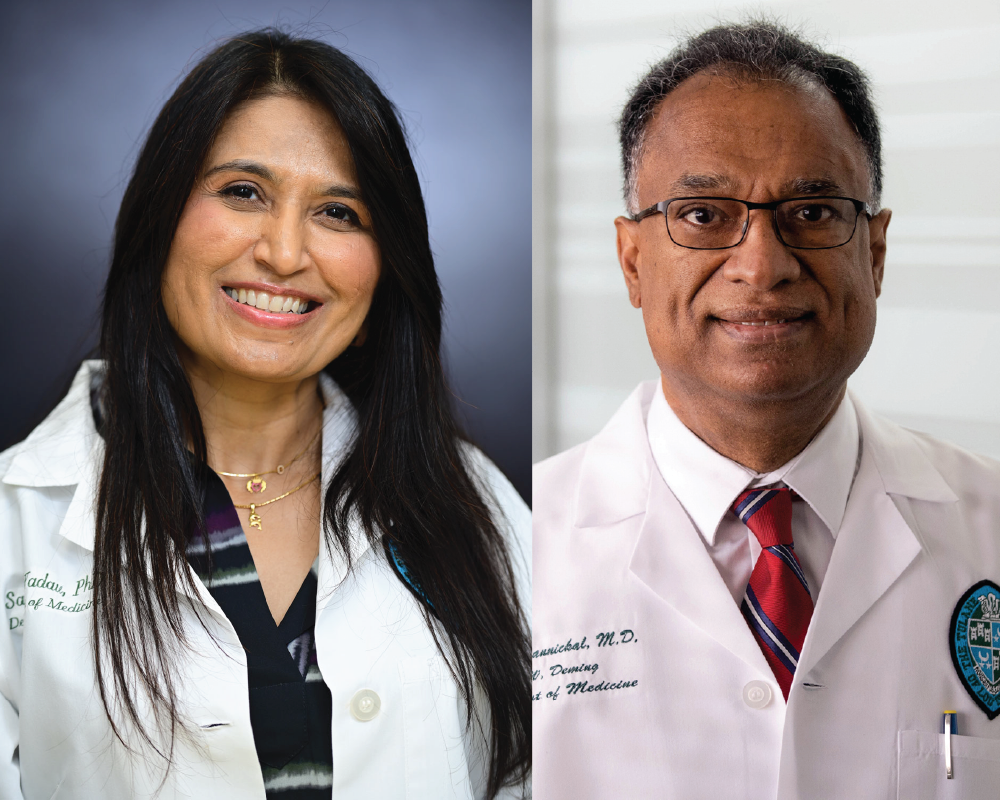
Cancer drug could treat deadly lung disease
Tulane researchers have identified a potential new treatment approach for idiopathic pulmonary fibrosis, a deadly lung disease, by repurposing the cancer immunotherapy drug ipilimumab. Scientists found that the drug may help the immune system clear out damaged cells, potentially restoring lung function in patients with the disease.
Heart transplant program brings patient back to life
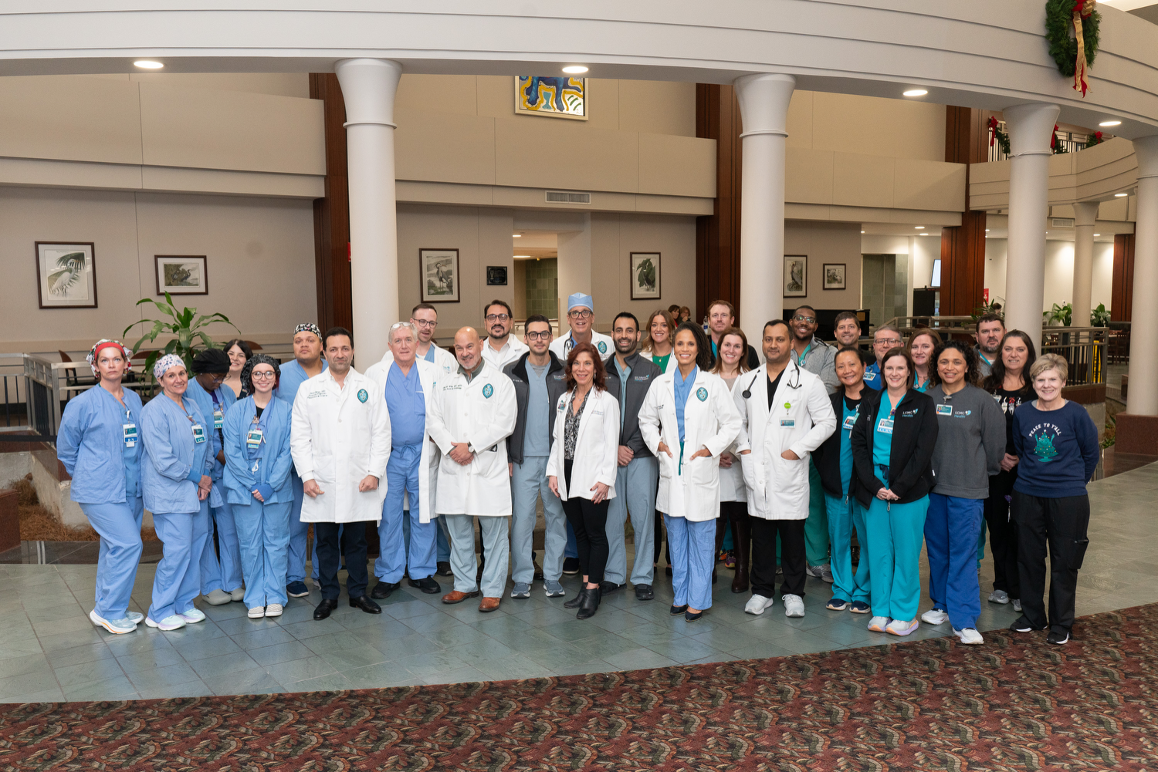
Tulane’s world-class Heart Failure and Transplant Program at East Jefferson General Hospital recently brought a Mississippi patient back to life with highly specialized care that included a heart transplant. Relaunched through Tulane’s transformative partnership with LCMC Health, the program reflects the strength of the integrated regional health ecosystem Tulane is building across the Gulf South.
Gene therapy offers new treatment for severe hemophilia
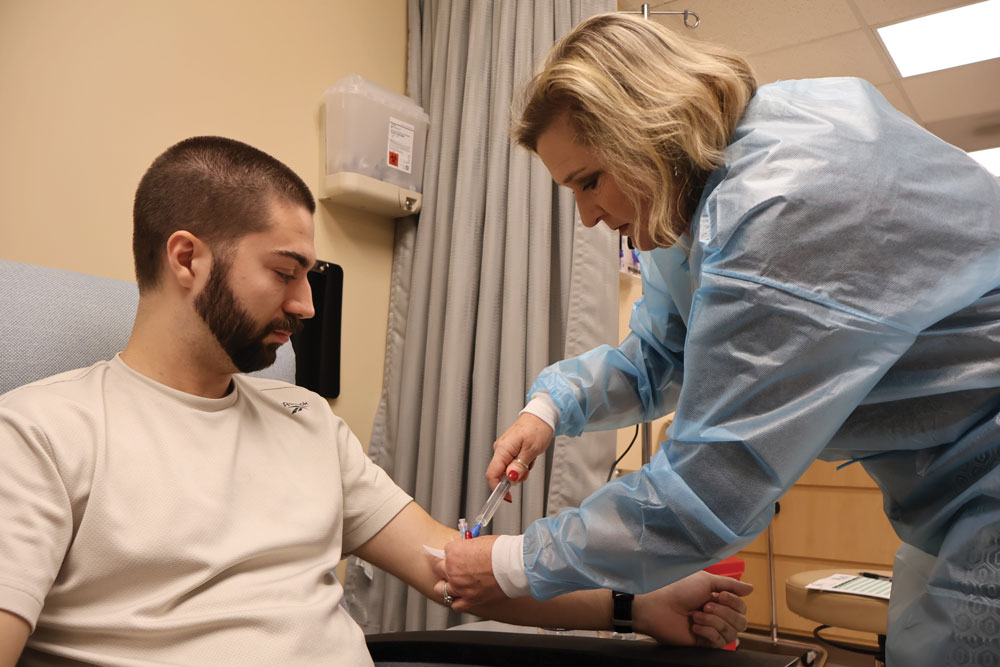
Tulane’s Louisiana Center for Bleeding and Clotting Disorders became the first facility in the state to administer gene therapy for hemophilia A, offering patients the potential for a life free from the risk of clotting complications. This advancement positions Tulane at the forefront of advanced therapies that turn cutting-edge research into real-world care.
Studying oyster reefs as coastal defense
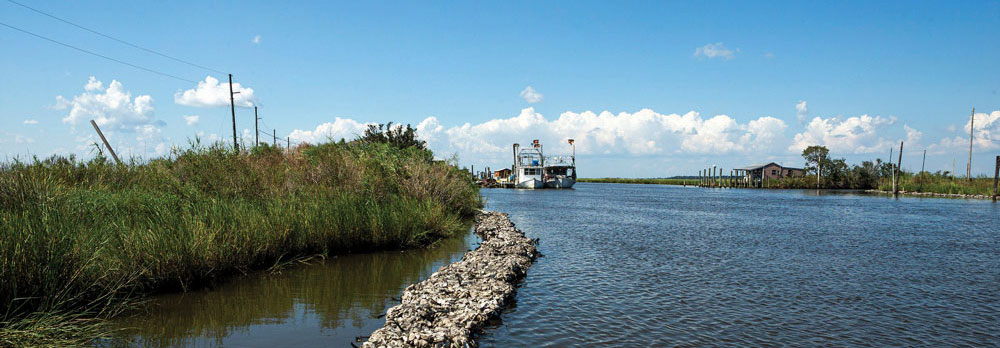
Assistant professor of oceanography in the School of Science and Engineering, Thomas DeCarlo, is launching a project to study how restored oyster reefs can help protect Louisiana’s rapidly disappearing marshland. Using drones equipped with LiDAR (Light Detection and Ranging), his lab will map oyster reefs and surrounding wetlands to measure changes in elevation and structure over time. DeCarlo hopes to create a valuable resource for scientists and conservation groups working to restore and protect Louisiana’s coastline.
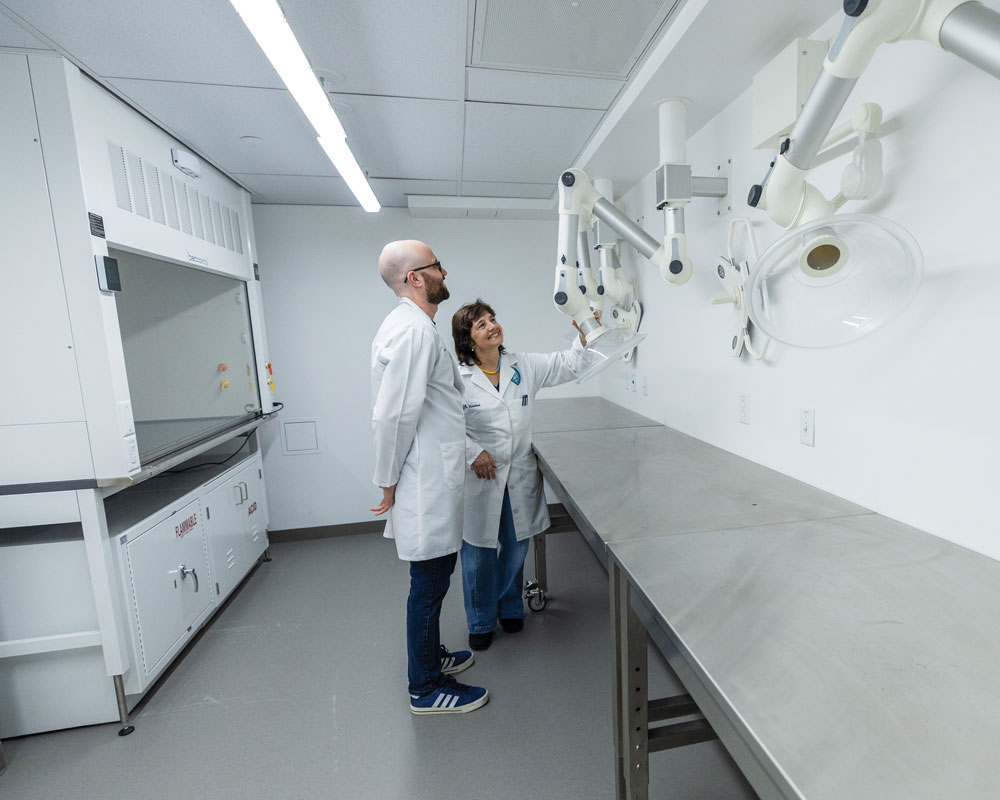
New research labs transform Hutchinson Memorial Building
The transformation of Hutchinson Memorial Building’s fifth and seventh floors marks a major milestone in Tulane’s ongoing redevelopment of its downtown campus. Thanks to recent renovations, the building now houses nearly 50,000 square feet of modern laboratory, office and collaborative space.
This renovation was made possible by the support of Pierce Marshall (B ’90), who provided substantial funding in memory of his father, E. Pierce Marshall, through the Marshall Heritage Foundation and the Marshall Legacy Foundation. Additional support came from the Myrna L. Daniels (NC ’52) Facilities Fund.
The labs will support research in multiple high-impact areas including nephrology, cancer and neuroscience.
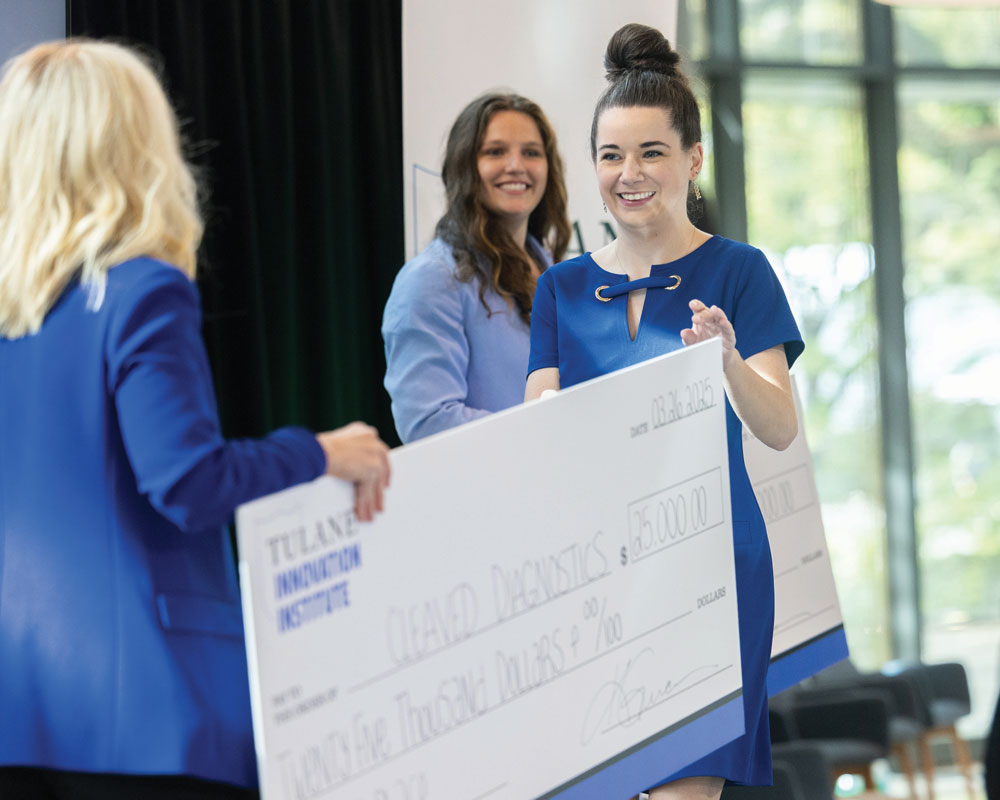
Transforming early detection of newborn hearing loss
Chandler Monk (M ’19, SSE ’25) is developing an at-home test for congenital cytomegalovirus, the leading cause of non-genetic childhood hearing loss, through her startup Cleaved Diagnostics. With support from the Tulane Provost’s Proof of Concept Fund, Tulane’s $50K Demo Day and other grants, Monk has secured $380,000 in funding for her company.
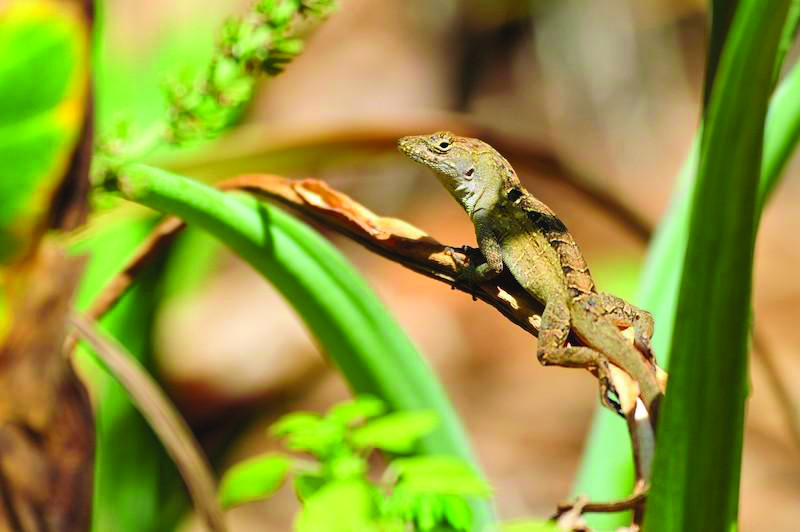
New orleans lizards offer scientific insights
New research from Tulane University finds that brown anole lizards in New Orleans carry the highest blood-lead levels ever recorded in a vertebrate, amounts that would be lethal to most other animals, yet they appear unaffected. The study found that the lizards’ blood-lead levels exceeded all previously reported values for fish, amphibians, birds, reptiles and mammals. The findings raise new questions about how the reptiles survive such toxic exposure and whether those mechanisms could someday inform treatments for humans and other wildlife.
